Fatty Liver Disease
Fatty liver disease affects a significant portion of the U.S. population. It is estimated that about 20-30% of adults in the U.S. have excess fat in their liver. NAFLD affects between 80 and 100 million individuals in the U.S., among whom nearly 25% progress to NASH. The condition affects one in three adults and one in 10 children in the United States. It is estimated that about 25 percent of adults in the U.S. have NAFLD.
Prevalence of NAFLD:
Over the past three decades, the rates of NAFLD have been soaring. A study found that more than a third of adult participants developed the condition, which is now more commonly referred to as metabolic associated fatty liver disease (MAFLD).
Among different ethnic groups in the United States:
- Mexican Americans: The rate of NAFLD increased from 36% in 1988 to 58% in 2018.
- African Americans: The rate increased from 11% in 1988 to 25% in 2018.
- White Americans: The rate increased from 15% in 1988 to 35% in 2018.
Overall, NAFLD rose from 16% in 1988 to 37% in 2018, representing a significant increase.
A global meta-analysis revealed that the overall prevalence of patients diagnosed with MAFLD was approximately 39.22%.
The potential severe consequences of NASH with fibrosis include:
- Cirrhosis and decompensated liver disease
- Liver transplant
- Hepatocellular carcinoma (HCC)
- Cardiovascular disease (CVD)
Risk Factors and Prevention:
Common causes of fatty liver include: obesity, diabetes, pre-diabetes, high blood pressure, alcoholism, family history, pregnancy, Hepatitis C infection, medication such as aspirin, steroids, or tetracycline, high cholesterol, and gender (women) raise the risk of NAFLD.
Having an apple shape (central obesity) rather than a pear shape is also linked to the disease.
Lifestyle changes can help prevent or manage NAFLD:
Healthy diet: Avoid junk foods and overly processed foods. Focus on eating more vegetables.
Physical activity: Regular exercise helps maintain a healthy weight and reduces the risk of NAFLD.
Symptoms and Awareness:
Most people with fatty liver disease don’t know they have it because it’s often a “silent disease” with few or no symptoms.
Some individuals may experience fatigue or discomfort in the upper right side of the abdomen.
NAFLD is the most common cause of liver disease in the U.S., especially in people with diabetes and obesity.
Remember that early detection and lifestyle modifications are crucial for managing NAFLD. If you have concerns about your liver health, consider discussing them with a healthcare professional.
Primary care providers are frequently at the front line in identifying and assessing individuals with suspected NAFLD. They can expect to see increasing numbers of patients with this disease, given that the prevalence of NAFLD is increasing—fueled by the global epidemic of obesity and T2D. In addition to the hepatic consequences, NAFLD and NASH are associated with an increased risk of CVD morbidity and mortality as well as CKD and cancer-related mortality. Prompt diagnosis of NAFLD, determination of NASH status, and assessment of liver fibrosis risk are critical to improve patient outcomes. Liver biopsy is the gold standard for diagnosis of NASH but has disadvantages; thus, noninvasive biomarkers are being used more frequently. Current clinical guidelines for the management of NAFLD have many points in common but also diverge in several areas. In the United States, patients with NAFLD or NASH should be treated according to AASLD guidelines. Importantly, comorbid conditions including obesity, prediabetes and T2D, dyslipidemia, and CVD should be treated aggressively, especially in patients with NASH or fibrosis. As new data from clinical trials investigating potential NAFLD and NASH treatments become available, it is anticipated that a greater consensus in clinical practice will occur.
VelacurTM is the first handheld 3D liver health assessment tool with diagnostic accuracy comparable to MRI Elastography and PDFF. It’s a breakthrough, point of care ultrasound solution that is redefining the standard of care in quantifying chronic liver disease and paving the way for healthcare providers to better assess and manage fatty liver disease.
Project Relevance
Fatty Liver: A Ticking Time Bomb
Education: Awareness and Prevention
Defining the disease state of NSFLD
Risk Factors: alcohol usage, weight loss, nutrition, cardiovascular disease
Screening: On-site and mobile screening
Partner with community organizations such as FQHC’s, Roots Community Clinic, Watson Wellness, Alameda County Physicians and Specializations, and other local non-profit organizations
Community Impact
Impact for Alameda County includes:
- Decreasing the amount of liver transplants, cardiovascular disease, liver cancer
- Preventing cirrhosis and decompensation of liver
- Reducing fibrosis
Benefits for Alameda County includes:
- Article AJG says that 150 minutes of exercise can reduce fatty liver by 3.5 times and more likely to result in a greater than or equal to 30% relative reduction in liver fat levels
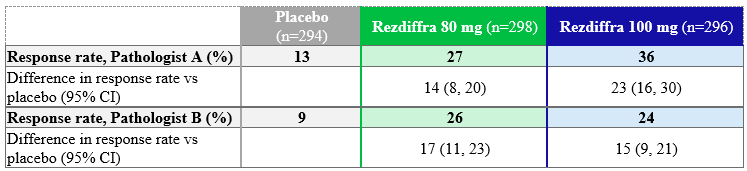
- 27% of people who received
Using 80 milligrams of Rezdiffra
Unique Approach
One step screening
Rezdiffra achieved statistically significant results for NASH resolution at Week 52:
Improvement in liver fibrosis and no worsening of steatohepatitis